London Travel Guide (2026: Getting Around, Weather and a 3-Day Plan)

Pay for London transport with a contactless card or phone and let the daily cap work. TfL's 2026 adult rates cap pay as you go travel on the Tube, DLR, Elizabeth line and London Overground at £8.90 a day in Zones 1 and 2, against £16.60 for a Day Travelcard, and a bus ride is £1.85 with unlimited bus and tram journeys for an hour after you first touch in. Most attractions are in Zones 1 and 2, TfL says.
Below: when to go (Met Office averages), how to get around, how to reach the centre from the airports, where to stay, what to check before you travel, and a 3-day plan that points to our tour guides. Every figure names its source and was read on 27 November 2026; where I could not read an official page, I leave the fact out.
When to Go: Weather by Month
These are the Met Office's 1991 to 2020 long-term averages for its Hampstead station in north London. Temperatures are monthly average daily maximum and minimum in °C; rainfall is the monthly total in mm (rounded), "rain days" are days with 1 mm or more, and sunshine is hours in the month (rounded). They are averages, not a forecast for your dates.
| Month | Max °C | Min °C | Rain mm | Rain days | Sun hours |
|---|---|---|---|---|---|
| January | 7.5 | 2.3 | 70 | 12 | 60 |
| February | 8.1 | 2.2 | 51 | 11 | 76 |
| March | 10.9 | 3.7 | 43 | 9 | 114 |
| April | 14.1 | 5.5 | 50 | 9 | 155 |
| May | 17.3 | 8.3 | 51 | 9 | 199 |
| June | 20.4 | 11.2 | 58 | 9 | 194 |
| July | 22.7 | 13.3 | 50 | 8 | 200 |
| August | 22.3 | 13.3 | 68 | 9 | 188 |
| September | 19.1 | 11.1 | 59 | 9 | 145 |
| October | 14.8 | 8.3 | 79 | 11 | 106 |
| November | 10.6 | 5.0 | 76 | 12 | 67 |
| December | 7.8 | 2.7 | 68 | 12 | 54 |
- Warmest and sunniest: July, with an average maximum of 22.7 °C and about 200 hours of sunshine (May is about the same on sun, at 199 hours).
- Coolest by day: January, with an average maximum of 7.5 °C; February has the lowest average minimum (2.3 °C).
- Wettest: October, about 79 mm. January has the most rain days (12), with November and December close behind.
- Driest: March, about 43 mm.
- Least sunshine: December, about 54 hours, so afternoon tea and indoor galleries are worth planning for winter days (see London in December for daylight hours, Christmas Day transport and winter events).
Source: Met Office, location-specific long-term averages, Hampstead.
Getting Around: Tube, Elizabeth Line, Buses, Oyster and Contactless
Pay as you go. TfL calls pay as you go the most convenient way to pay for travel in London, with daily and weekly (Monday to Sunday) caps that automatically limit what you spend. You can use a contactless card or device, an Oyster card or a Visitor Oyster card on the bus, Tube, tram, DLR, London Overground, Elizabeth line, London Cable Car, Thames Clippers River Bus and most National Rail services in Zones 1 to 9. Use the same card or device to touch in and out; on a bus or tram you only touch in. Many contactless cards issued outside the UK work, though your issuer may charge overseas fees (TfL, Visitors to London).
Oyster. An Oyster card costs £10.50. TfL suggests starting with £15 of credit for 2 days or £30 for 4 days. A Visitor Oyster card, which you can buy before you arrive and have delivered, also costs £10.50 plus postage. TfL's services do not accept cash: cash has to be loaded onto an Oyster card at station ticket machines.
Daily and weekly caps, adult, 2026. The caps apply to the Tube, DLR, Elizabeth line and London Overground and most National Rail services in Zones 1 to 9. Heathrow Express and Southeastern high-speed trains are not included in caps and Travelcards.
| Zones | Pay as you go daily cap | Weekly cap (Mon to Sun) | Day Travelcard (anytime) |
|---|---|---|---|
| Zones 1 to 2 | £8.90 | £44.70 | £16.60 |
| Zones 1 to 3 | £10.50 | £52.50 | £16.60 |
| Zones 1 to 4 | £12.80 | £64.20 | £16.60 |
| Zones 1 to 5 | £15.30 | £76.40 | £23.60 |
| Zones 1 to 6 | £16.30 | £81.60 | £23.60 |
Source: TfL, adult rate prices 2026 (caps and Travelcards). TfL states that the daily cap on Oyster or contactless is cheaper than a Travelcard for the same zones.
Buses. There are no zones on buses: you pay the same fare wherever you go. The adult pay as you go fare is £1.85, the daily cap is £5.55 and the weekly cap is £26.10. With the Hopper fare you can make unlimited bus and tram journeys within one hour of touching in for £1.85, as long as you touch in with the same card or device (TfL, Bus and tram fares).
Children. TfL's 5-10 Zip Oyster photocard page says children aged 5 to 10 get free travel on all its transport services with a Zip Oyster photocard. TfL's Visitors to London page I read does not mention children, so check TfL for the current rules, the photocard cost and whether visitors can apply before you travel. For things to do with children see our London with kids guide.
Tube map and zones. London has 9 concentric zones with Zone 1 in the centre. Check which zones you need on TfL's Tube map before you pick a hotel; the where to stay in London area guide lists the nearest stations for each base.
From the Airports to Central London
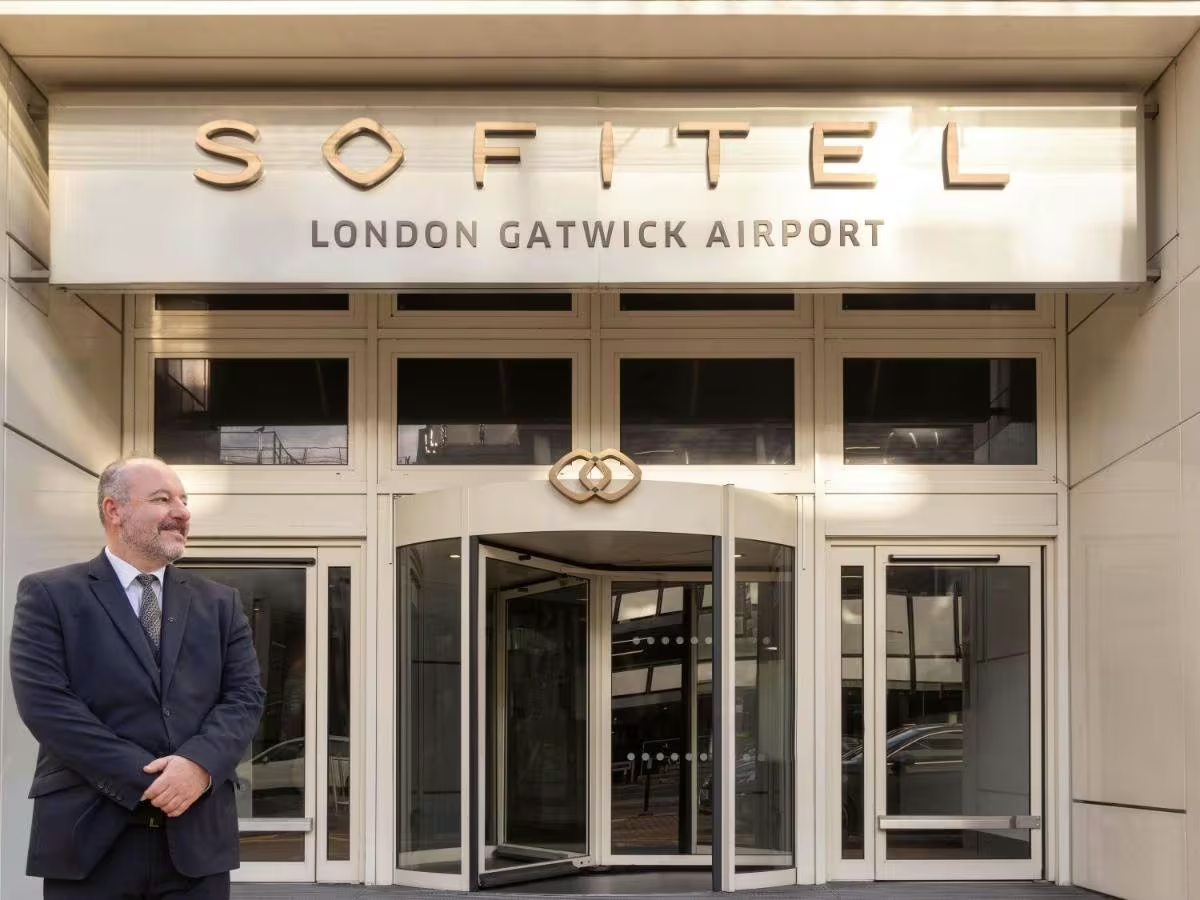
London has five airports with train, Tube, DLR or coach links to the centre, from Heathrow's Elizabeth line and Piccadilly line to the Stansted, Gatwick and Luton Airport express trains and the DLR from London City. Fares and times from TfL and the operators are in our guide to Heathrow, Gatwick, Stansted, Luton and City Airport to central London. If you have an early flight, see the best hotels near Heathrow and Gatwick. For official visitor numbers, nights and airport passenger totals, see London tourism statistics or, for the whole country, UK tourism statistics.
Where to Stay
Start with where to stay in London, which compares six areas with one hotel in each, then narrow by budget or style:
- Best hotels in London for the overall shortlist, and cheap hotels or hostels for the lowest prices.
- Westminster and Covent Garden hotels for the main sights on foot, and Thames view hotels for a river view.
- Hotels near King's Cross and St Pancras for trains to the airports and beyond.
- Family hotels, aparthotels and 4-star hotels for longer stays.
Before You Go: Entry Rules and Money
Entry. Entry requirements depend on your nationality and reason for travel, so check the official GOV.UK page rather than a travel blog. GOV.UK's page on the electronic travel authorisation (ETA) says an ETA lets you visit the UK for up to 6 months and costs £20, that most visitors need either an ETA or a visa, that every person in a family or group needs their own including babies and children, and that an ETA does not guarantee entry. It points to a tool to check whether you need an ETA or a visa: GOV.UK, electronic travel authorisation. Rules and fees change; read that page before you book.
Paying for transport. TfL does not take cash, so bring a contactless card or phone, or load cash onto an Oyster card at a station machine (see above).
A 3-Day London Plan
This plan uses the sights and tours covered on this site and a pair of free galleries whose hours are on their own websites. It keeps each day in one part of the city. Check opening times for your date before you go.
Day 1: Trafalgar Square, Covent Garden and Afternoon Tea
Start at the National Gallery on Trafalgar Square. Its website says it is open daily from 10am to 6pm, with Friday lates until 9pm, and that admission is free (donations welcome). Stay in the Covent Garden area afterwards, and book an afternoon tea for the late afternoon; our guide compares six options.
For more museums, parks and tours beyond this plan, see our best things to do in London.
Day 2: Tate Modern and the Ripper Trail
Spend the day on the south bank at Tate Modern on Bankside. Its website lists opening hours of 10.00 to 18.00 Sunday to Thursday and 10.00 to 21.00 on Friday and Saturday, with last entry 30 minutes before closing, and says the gallery is free to visit (booking is recommended for exhibitions). In the evening, take one of the Jack the Ripper walking tours, compared in our guide.
Day 3: One Day Trip
Leave the city for a day, and pick one:
- Harry Potter studio tours, if anyone in the group is a fan.
- Stonehenge day trips from London.
- Cotswolds day trips for villages and countryside.
Frequently Asked Questions
What is the best way to pay for the London Tube?
TfL recommends pay as you go with a contactless card or device or an Oyster card, using the same one to touch in and out; daily and weekly caps automatically limit what you spend (TfL, Visitors to London).
How much is the daily cap in Zones 1 and 2?
£8.90 for adult pay as you go on the Tube, DLR, Elizabeth line and London Overground, against £16.60 for a Day Travelcard (TfL adult rate prices 2026).
How much is a London bus fare?
£1.85 for adults with pay as you go; the Hopper fare gives unlimited bus and tram journeys within one hour of touching in, and the daily cap is £5.55 (TfL).
Do children travel free in London?
TfL says children aged 5 to 10 get free travel on all its transport services with a Zip Oyster photocard (TfL, 5-10 Zip Oyster photocard). Check TfL for the current rules, the photocard cost and whether visitors can apply before you travel.
When is the best time to visit London?
On Met Office 1991 to 2020 averages for Hampstead, July is the warmest month (22.7 °C average maximum) with about 200 hours of sunshine; March is the driest at about 43 mm and October the wettest at about 79 mm.
Do I need an ETA to visit the UK?
It depends on your nationality and reason for travel; GOV.UK says most visitors need either an ETA or a visa, and an ETA costs £20 and lets you visit for up to 6 months. Check the official GOV.UK page before you travel.
Sources
All read on 27 November 2026. Fares, hours and rules change; check the official site before you travel.
- TfL, adult rate prices 2026 (caps and Travelcards): tfl.gov.uk, Tube and rail fares
- TfL, bus and tram fares (Hopper fare, caps): tfl.gov.uk, bus and tram fares
- TfL, visitors to London (pay as you go, Oyster, children, zones): tfl.gov.uk, visitors to London
- Met Office, location-specific long-term averages, Hampstead, 1991 to 2020: metoffice.gov.uk
- GOV.UK, electronic travel authorisation (ETA): gov.uk
- National Gallery, opening hours and admission: nationalgallery.org.uk
- Tate, Tate Modern visit page: tate.org.uk
More guides